
It’s time to retire the ‘stochastic parrot’ definition of AI
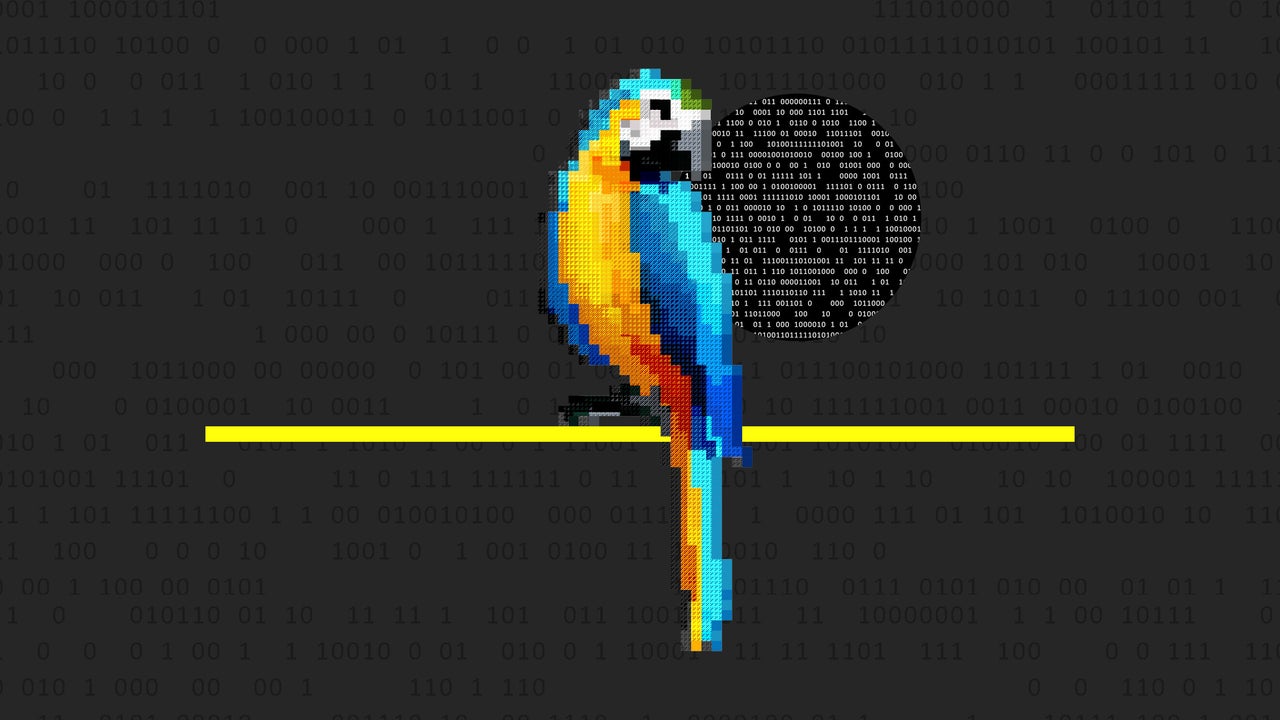
It’s time to retire the ‘stochastic parrot’ definition of AI. Early generative AI models, circa 2017-2022, were “stochastic parrots.” That is, they generated language by choosing the statistically most likely next word based on patterns in their training data, rather than truly understanding what they were saying. Beginning in 2023, artificial intelligence labs began releasing large language models (LLMs) that had evolved beyond autoregressive next-token prediction, as researchers call it. For many people, the stochastic parrot definition stuck. And lately, the “they’re just stochastic parrots” argument has been used as a way of downplaying the potential risks of huge language.
Source attribution
This Newsstand page summarizes and points to reporting from Fast Company. The original publisher owns the full story, reporting, quotes, images, and any later updates.
Visit original sourceRelated briefs
Higher education is becoming the newest playground for billionaires
Higher education is becoming the newest playground for billionaires. Ken Griffin's $3 billion Carnegie Mellon gift will fund a Miami campus, underscoring how billionaires are reshaping higher education and building talent pipelines.
This Swedish travel agency caters specifically to introverts
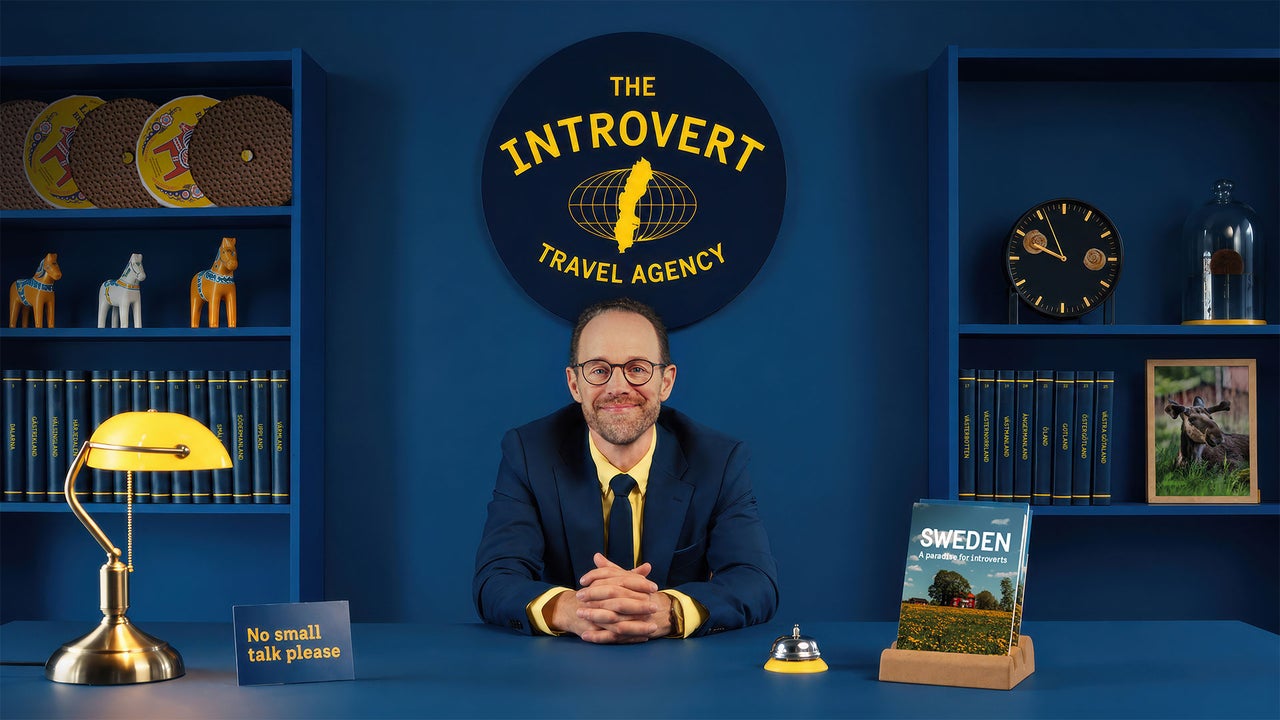
This Swedish travel agency caters specifically to introverts. People seeking travel experiences better suited to their introverted personality are in luck. Announced on September 29, Sweden’s new Introvert Travel Agency caters its services specifically to introverts, people who typically prefer quiet introspection and solitude or small-group interaction over noise and crowds. An initiative by Visit Sweden, the idea is to tap into the Nordic country’s cultural norms that, according to the agency’s website, favor personal space, freedom to roam, and structured socializing. “Many travelers are looking for something surprisingly simple: the freedom to decide when they want company.
Know a rising star in robotics? We want to hear from you.
Know a rising star in robotics? We want to hear from you. Business Insider is looking for the up-and-coming people shaping the future of robotics.

Coach Didn’t Try to Make Gen-Z Love Handbags. It Joined the Conversation
Coach Didn’t Try to Make Gen-Z Love Handbags. It Joined the Conversation. What happens when a handbag brand joins the culture?
At Age 15, He Started an Instagram Account. Now It’s a $138 Million Baseball Brand
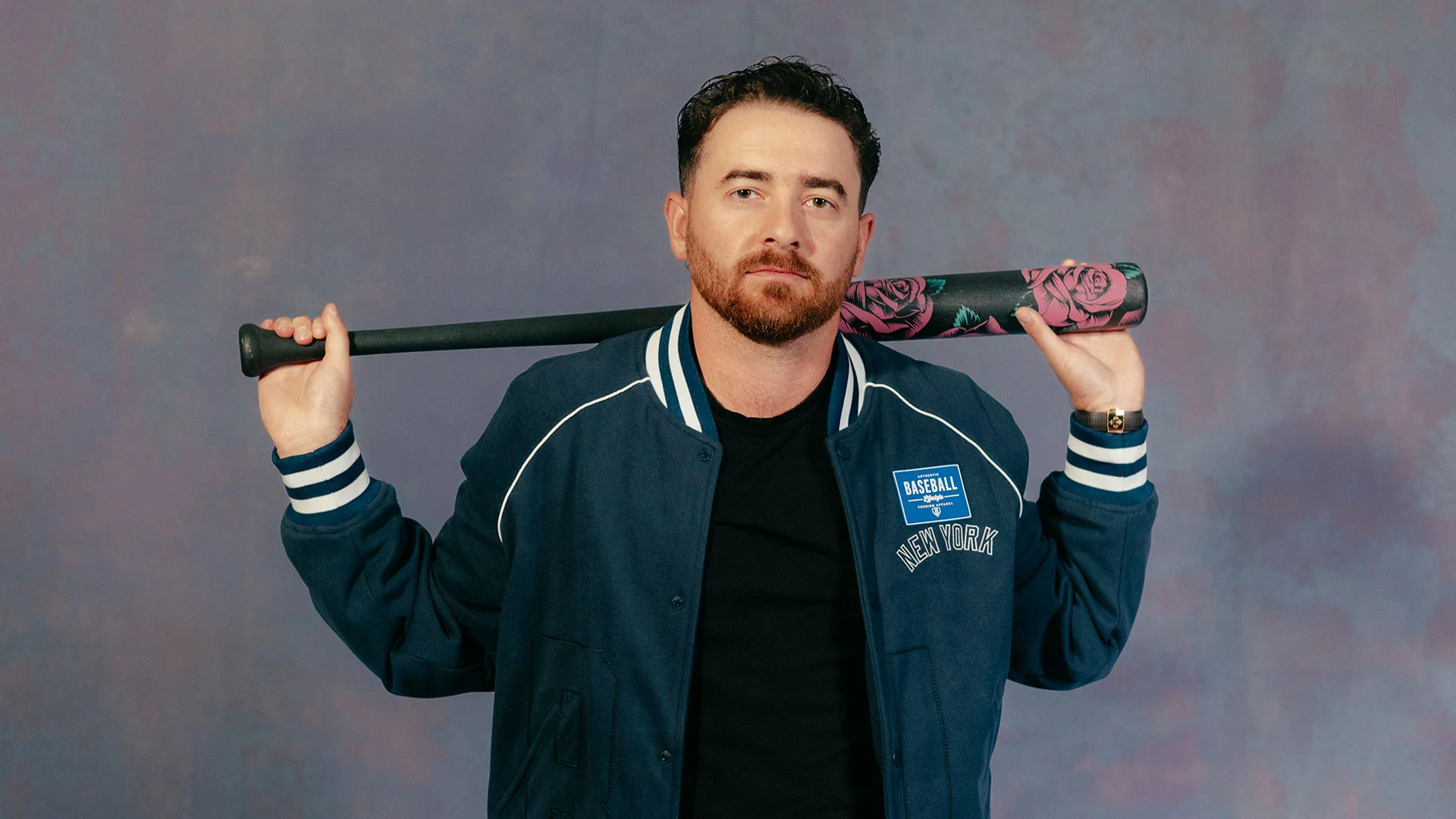
At Age 15, He Started an Instagram Account. Now It’s a $138 Million Baseball Brand. Josh Shapiro shares how his leadership style has matured since he launched his fast-growing clothing company Baseball Lifestyle 101 as a teenager.
The engagement survey is dying. Here’s what’s replacing it
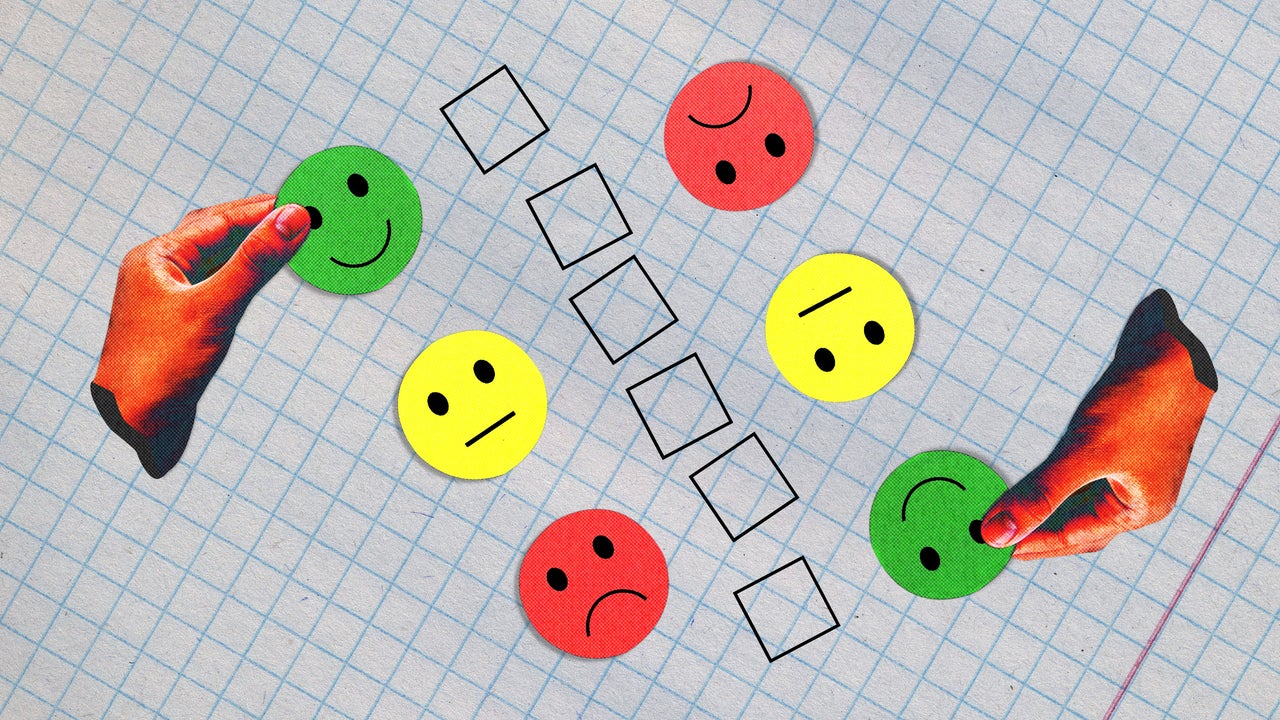
The engagement survey is dying. Here’s what’s replacing it. Everyone knows how this goes. First, an email with the survey data cut a dozen ways. A column with green and red scoring against last year, and with your team’s scores versus other parts of the company. It culminates with a flurry of activity, from a slide deck to a town hall and action-planning committees. A month later, nobody mentions it again. And the company doesn’t send the survey again for a year. Jennifer felt this deeply as a division leader inside Big Tech companies like Google and Meta. She.