Why mixing politics with your stock portfolio might be costing you money
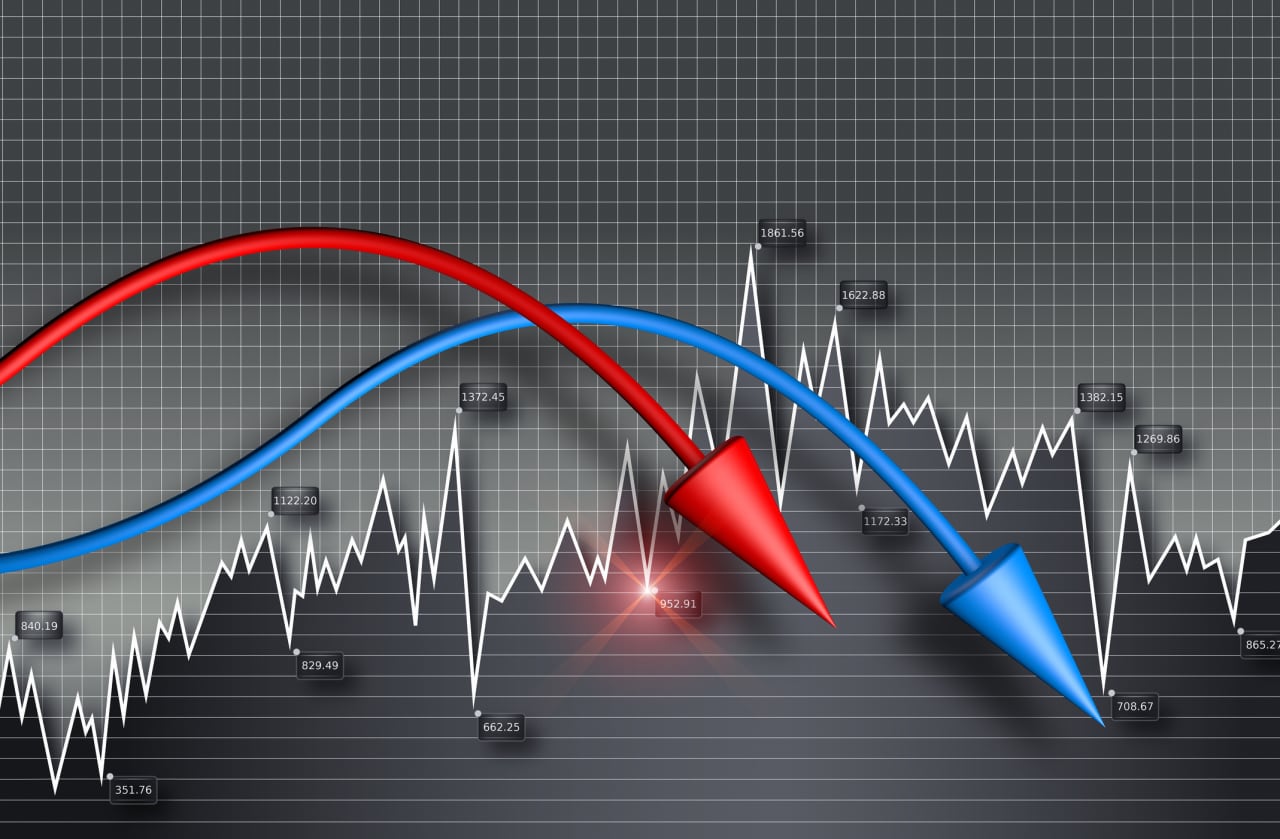
Why mixing politics with your stock portfolio might be costing you money. Data shows that partisan ETFs result in higher fees and lower market returns.
Source attribution
This Newsstand page summarizes and points to reporting from MarketWatch. The original publisher owns the full story, reporting, quotes, images, and any later updates.
Visit original sourceRelated briefs
Ultra-Processed Foods Linked to Higher Risk of Multiple Diseases, Death
Ultra-Processed Foods Linked to Higher Risk of Multiple Diseases, Death. New research found that consuming more ultra-processed foods is linked to an increased risk of multiple health conditions. LauriPatterson/E+/Getty Images A large study has found that eating more ultra-processed foods (UPFs) was linked to a higher risk of disease and early death. The risk of chronic diseases increased with higher UPF consumption, but reducing intake may help mitigate risk. Nutrition experts suggest making whole and minimally processed foods the basis of your diet. Choosing healthier options, cooking for yourself, and avoiding fast food can all help reduce your UPF intake..
Wall Squats, Planks Once a Week May Help Lower Your Blood Pressure
Wall Squats, Planks Once a Week May Help Lower Your Blood Pressure. Performing isometric exercises like wall squats and planks just a few times per week may help lower blood pressure. VioletaStoimenova/E+/Getty Images Just one or two isometric exercise sessions per week may help lower blood pressure in the short term, according to a new study. Performing isometric exercises, such as wall squats and planks, three times a week may provide long-term benefits. Experts say people beginning an isometric exercise program should start slowly and build up their routine over time. Isometric exercises, even if done only occasionally, could help.
Letter From the Editor-in-Chief: Is Worrying About Sleep Keeping Us Awake?
Letter From the Editor-in-Chief: Is Worrying About Sleep Keeping Us Awake. A recent study found that a lack of REM and deep sleep is linked to higher risks of dozens of diseases. Credit: Getty A new study analyzing wrist tracker data from 95,000 people found that higher amounts of REM and deep sleep were linked to a lower risk of 83 diseases combined, including dementia, hypertension, and Parkinson’s. Nearly 70% of Americans say anxiety disrupts their sleep – and for some, the sleep trackers meant to help may be making it worse, a phenomenon researchers call orthosomnia. Healthline’s Editor-in-Chief Robin.

Falling wages, soaring energy prices and inflation: It’s beginning to look a lot like the 1970s
Falling wages, soaring energy prices and inflation: It’s beginning to look a lot like the 1970s. Is it time to dust off the financial playbook from that dismal decade?

Ming-Na Wen On Her New Cookbook, ‘Mulan’ Szechuan Sauce, And Her Hopes Of Returning To ‘Star Wars’
Ming-Na Wen On Her New Cookbook, ‘Mulan’ Szechuan Sauce, And Her Hopes Of Returning To ‘Star Wars’. 'Have You Eaten Yet?: Family Recipes from a Restaurant Daughter' is now on sale.

Does AI have a soul? Pope Leo and Anthropic clash.
Does AI have a soul? Pope Leo and Anthropic clash. The Vatican has laid a moral blueprint for the technology, with Pope Leo maintaining that “algorithms lack the spark of humanity.”.