
I thought a recruiter had found me the perfect job — then he asked me to pay. These are the warning signs I missed.
I thought a recruiter had found me the perfect job — then he asked me to pay. These are the warning signs I missed. Alyshia Hull thought she received a great opportunity from a recruiter. When he asked her to pay for a résumé service, she realized it was a scam.
Source attribution
This Newsstand page summarizes and points to reporting from Business Insider. The original publisher owns the full story, reporting, quotes, images, and any later updates.
Visit original sourceRelated briefs
Ultra-Processed Foods Linked to Higher Risk of Multiple Diseases, Death
Ultra-Processed Foods Linked to Higher Risk of Multiple Diseases, Death. New research found that consuming more ultra-processed foods is linked to an increased risk of multiple health conditions. LauriPatterson/E+/Getty Images A large study has found that eating more ultra-processed foods (UPFs) was linked to a higher risk of disease and early death. The risk of chronic diseases increased with higher UPF consumption, but reducing intake may help mitigate risk. Nutrition experts suggest making whole and minimally processed foods the basis of your diet. Choosing healthier options, cooking for yourself, and avoiding fast food can all help reduce your UPF intake..
Insomnia Isn’t Just Exhausting — It May Raise Your Risk of Stroke, Dementia
Insomnia Isn’t Just Exhausting — It May Raise Your Risk of Stroke, Dementia. Recent research has found that chronic insomnia may increase the risk of stroke, dementia, and depression. ljubaphoto · E+/Getty A recent review has found that insomnia may be associated with an increased risk of stroke and hospitalization. The researchers also found evidence of an association between insomnia and depression, suicidal behaviors, and dementia. These findings add to growing evidence that insomnia may be linked to health risks beyond poor sleep and impaired daytime functioning. Insomnia may do more than leave you tired. A review published in Sleep.
Low-Energy Diet Plus Structured Exercise Reverses Early Onset Diabetes
Low-Energy Diet Plus Structured Exercise Reverses Early Onset Diabetes. A low-energy diet combined with a structured exercise program led to early onset type 2 diabetes remission. FreshSplash/E+/Getty Images A new study found that a low-energy diet and exercise reversed early onset type 2 diabetes in half of the participants. This is important because early onset diabetes can lead to earlier health decline and other complications. Experts suggest eating a good-quality diet and reducing calories by about 500–700 daily to lose weight. Aim for 150 minutes of moderate-intensity physical activity each week. A new study has found that a combination.
Letter From the Editor-in-Chief: Is Worrying About Sleep Keeping Us Awake?
Letter From the Editor-in-Chief: Is Worrying About Sleep Keeping Us Awake. A recent study found that a lack of REM and deep sleep is linked to higher risks of dozens of diseases. Credit: Getty A new study analyzing wrist tracker data from 95,000 people found that higher amounts of REM and deep sleep were linked to a lower risk of 83 diseases combined, including dementia, hypertension, and Parkinson’s. Nearly 70% of Americans say anxiety disrupts their sleep – and for some, the sleep trackers meant to help may be making it worse, a phenomenon researchers call orthosomnia. Healthline’s Editor-in-Chief Robin.
Amazon exec says finding FDE talent is very challenging: ‘These are unicorns’
Amazon exec says finding FDE talent is very challenging: ‘These are unicorns’. An Amazon Web Services exec said that she's being selective in building out the firm's bet on forward-deployed engineers.
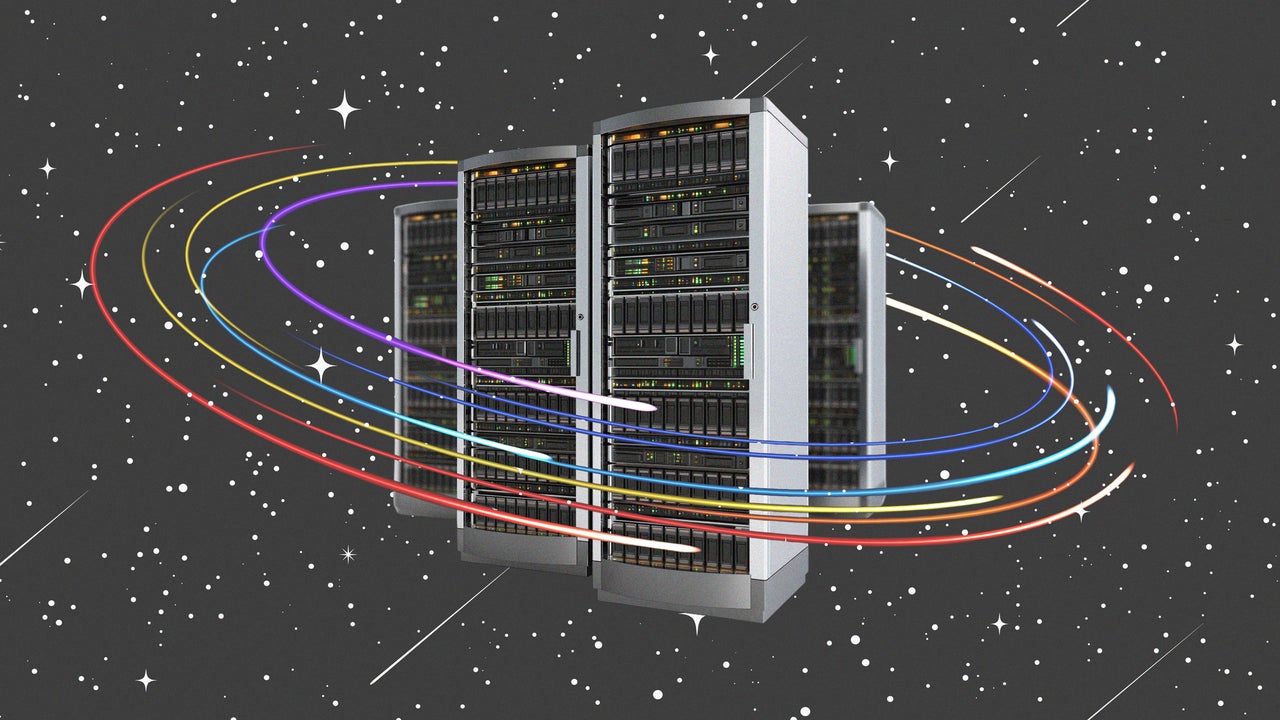
Why tech companies are racing to put AI data centers in space
Why tech companies are racing to put AI data centers in space. Why on earth do people want to put data centers in space? It’s all about power and cooling. The chips that run AI models require a lot of electrical power, and our electrical grid will be seriously stretched to accommodate the wave of new AI data centers now being built or planned. Data centers, in fact, will account for almost half of U.S. electricity demand growth between now and 2030. In space, there’s ample solar power for running AI servers. In the right orbit, solar energy is effectively.